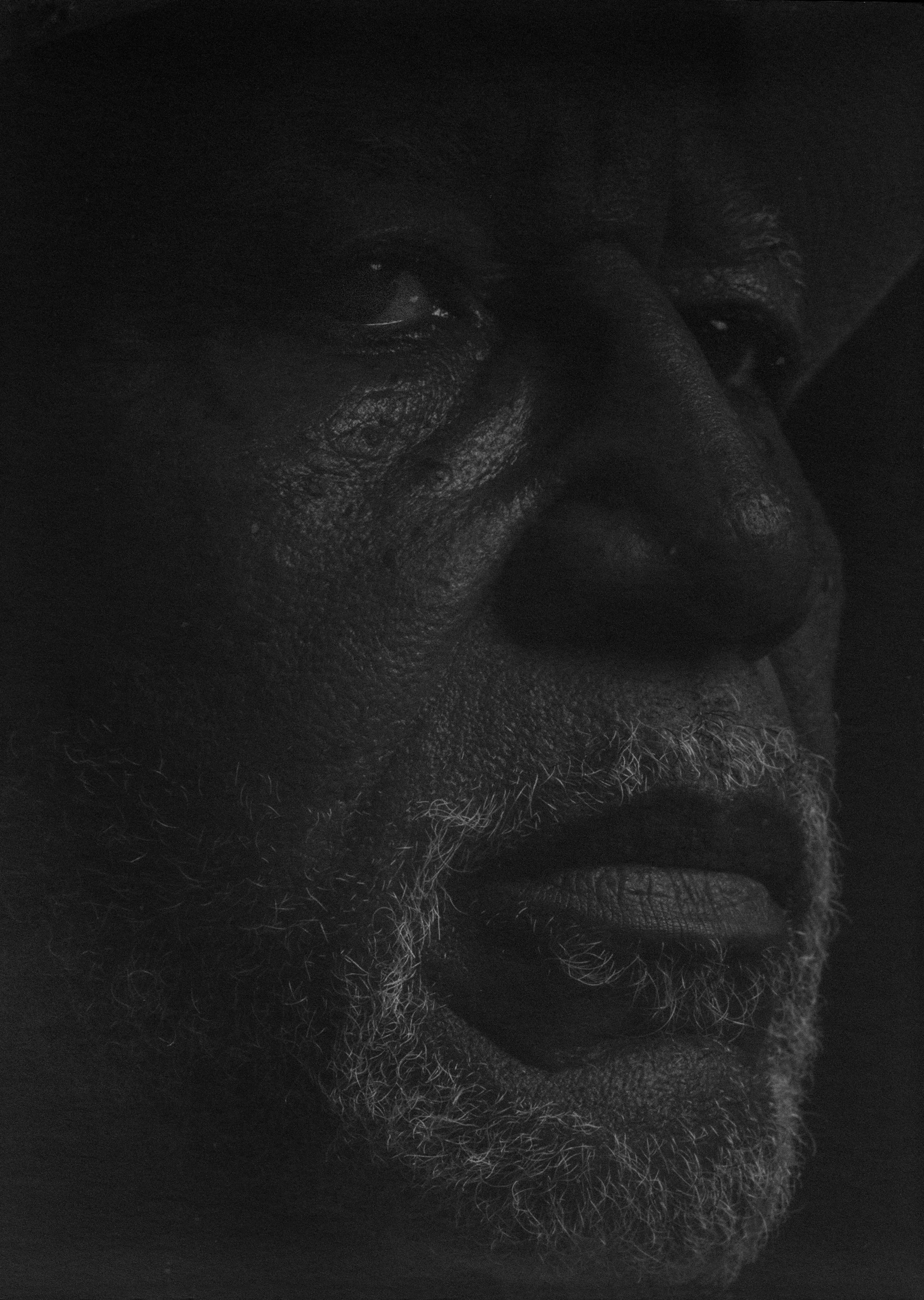
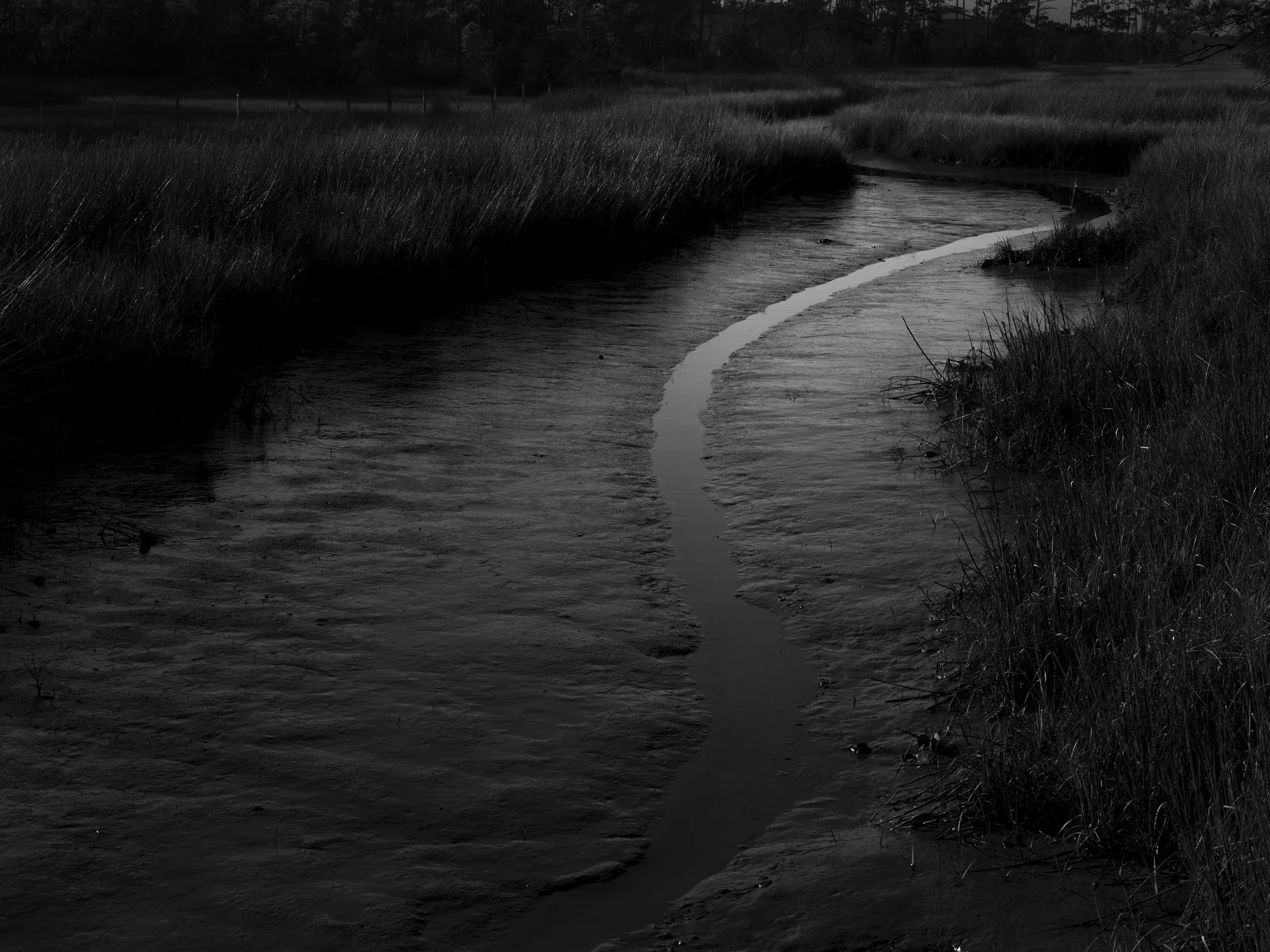
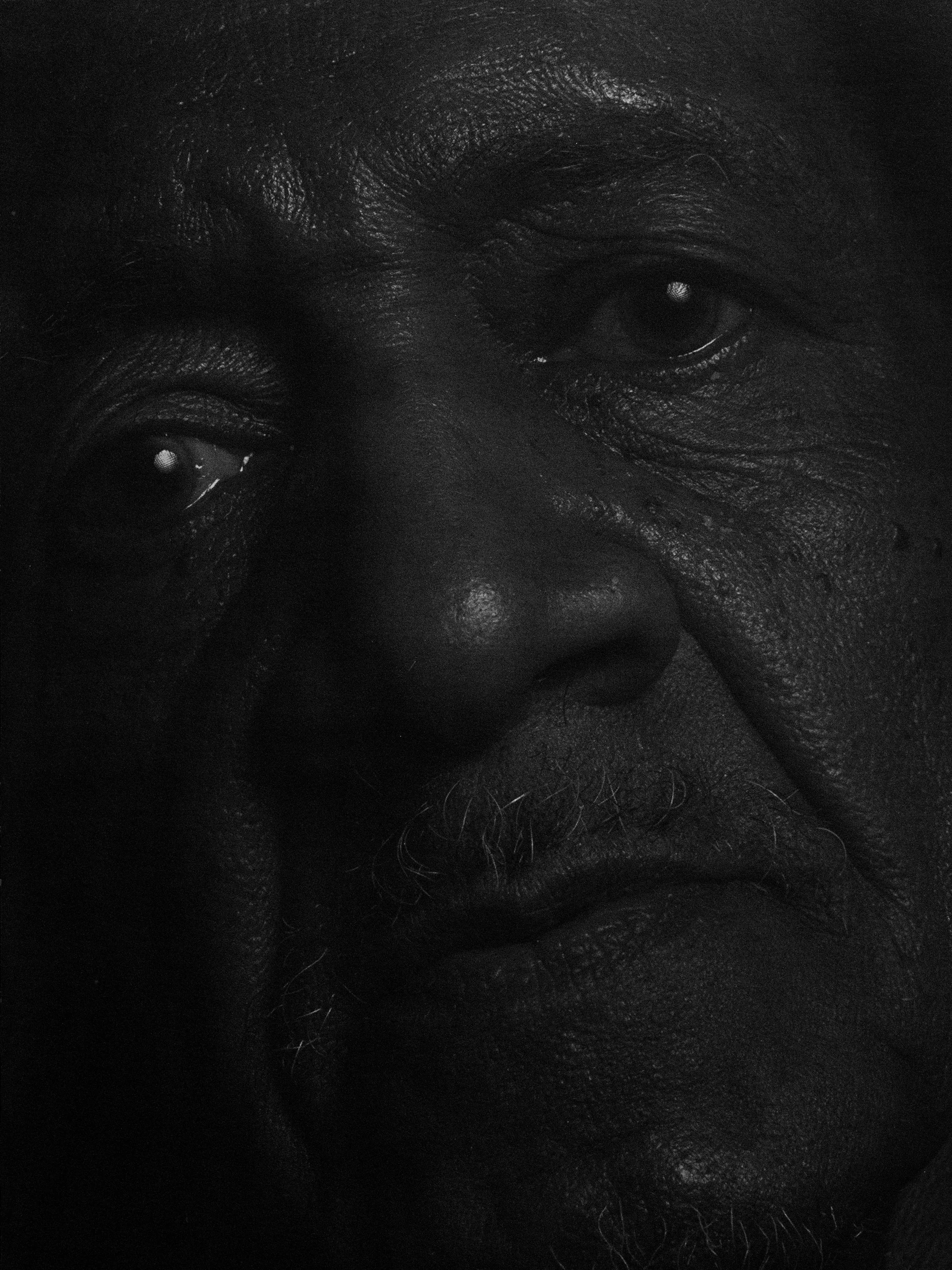
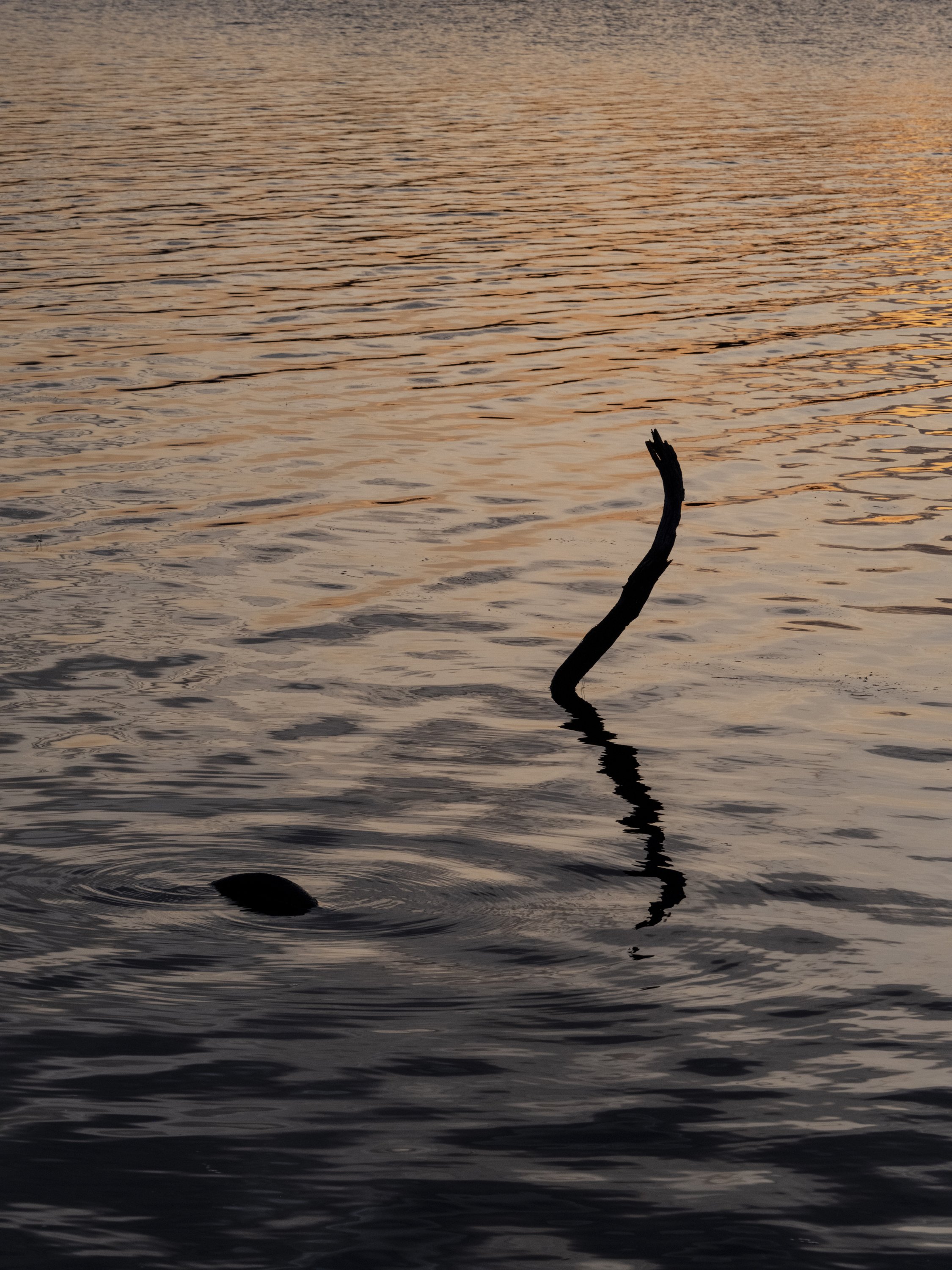
“It’s hard to stop rebels that time travel” (2021 to 2025)
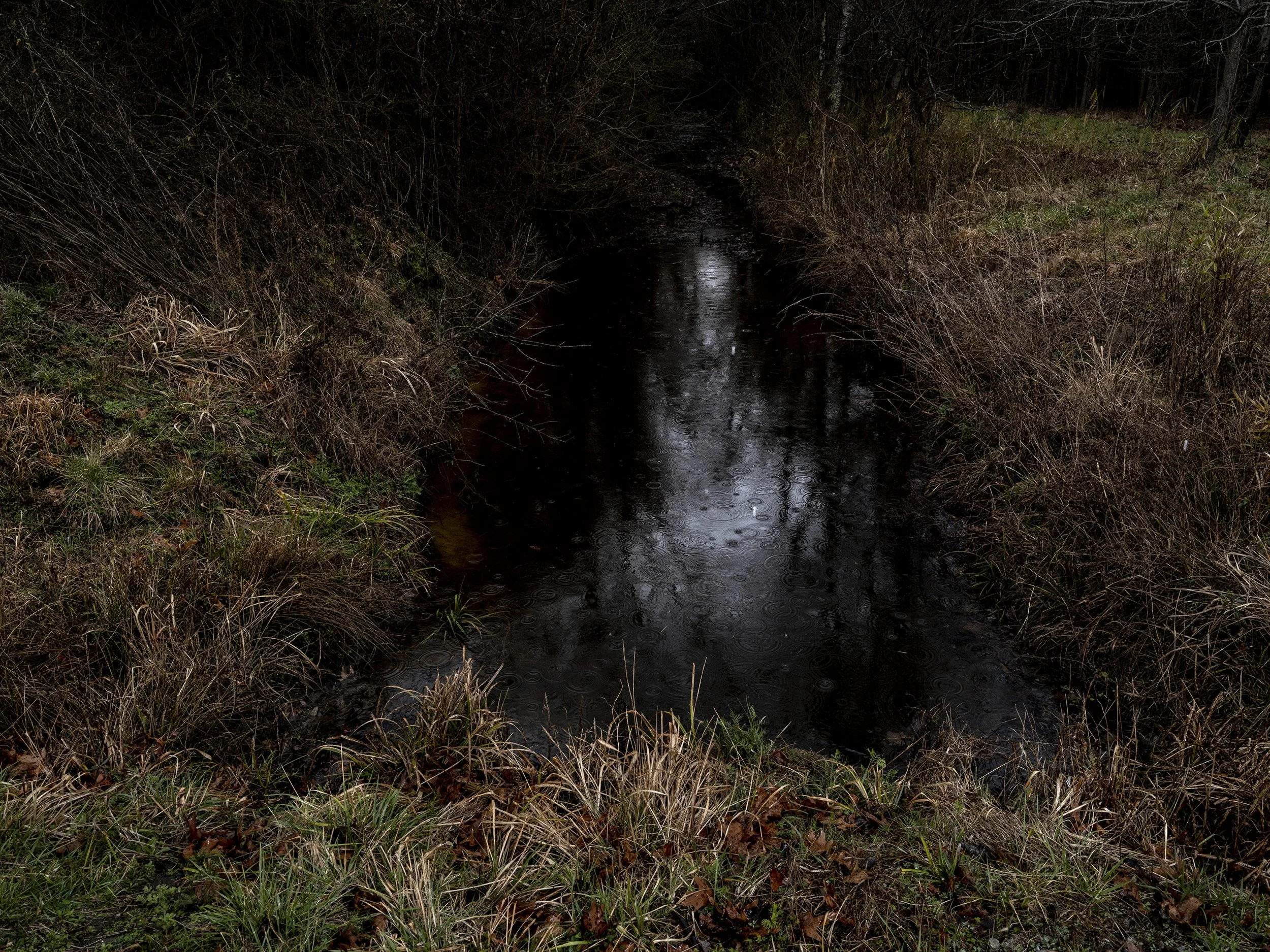
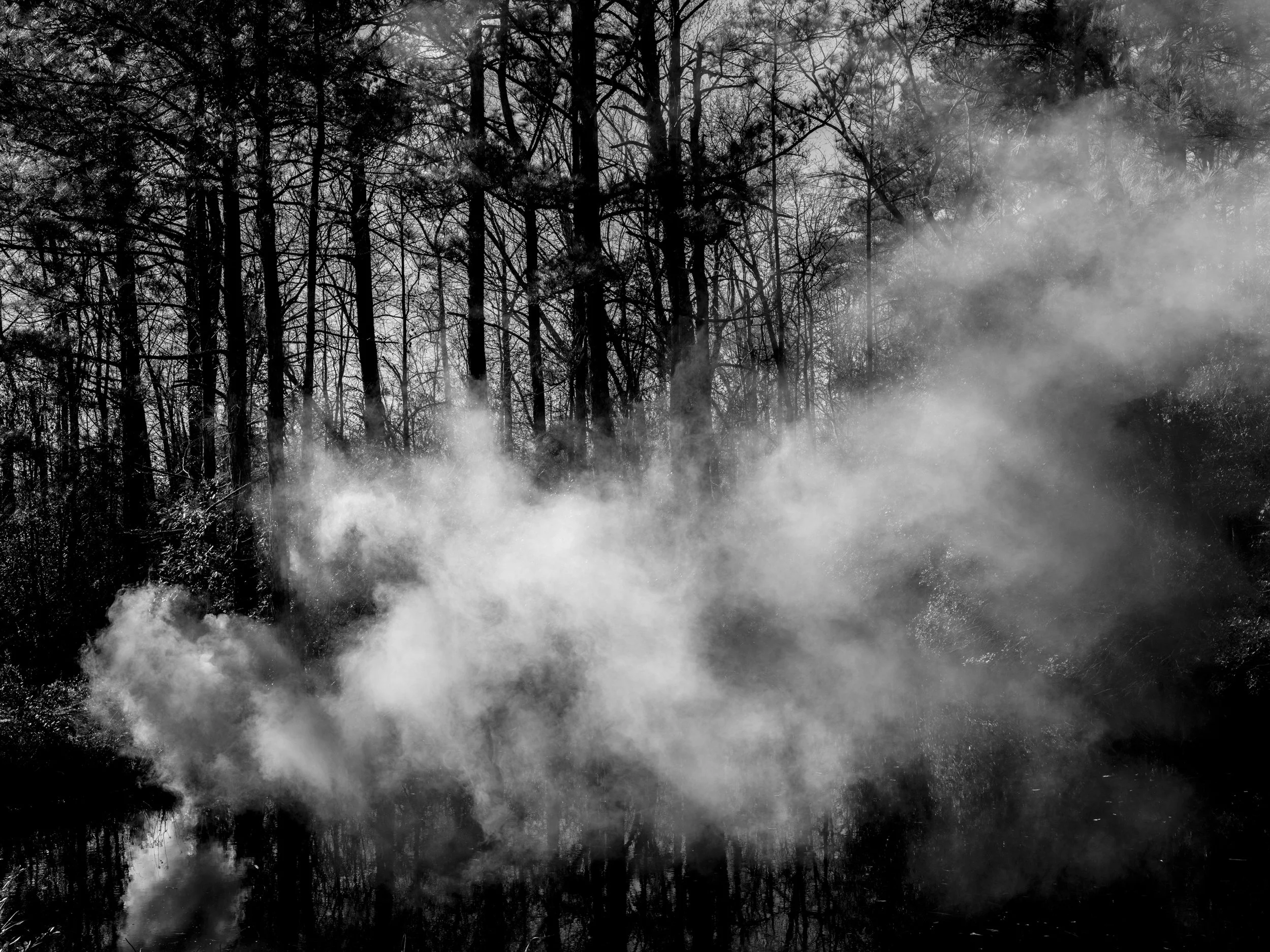
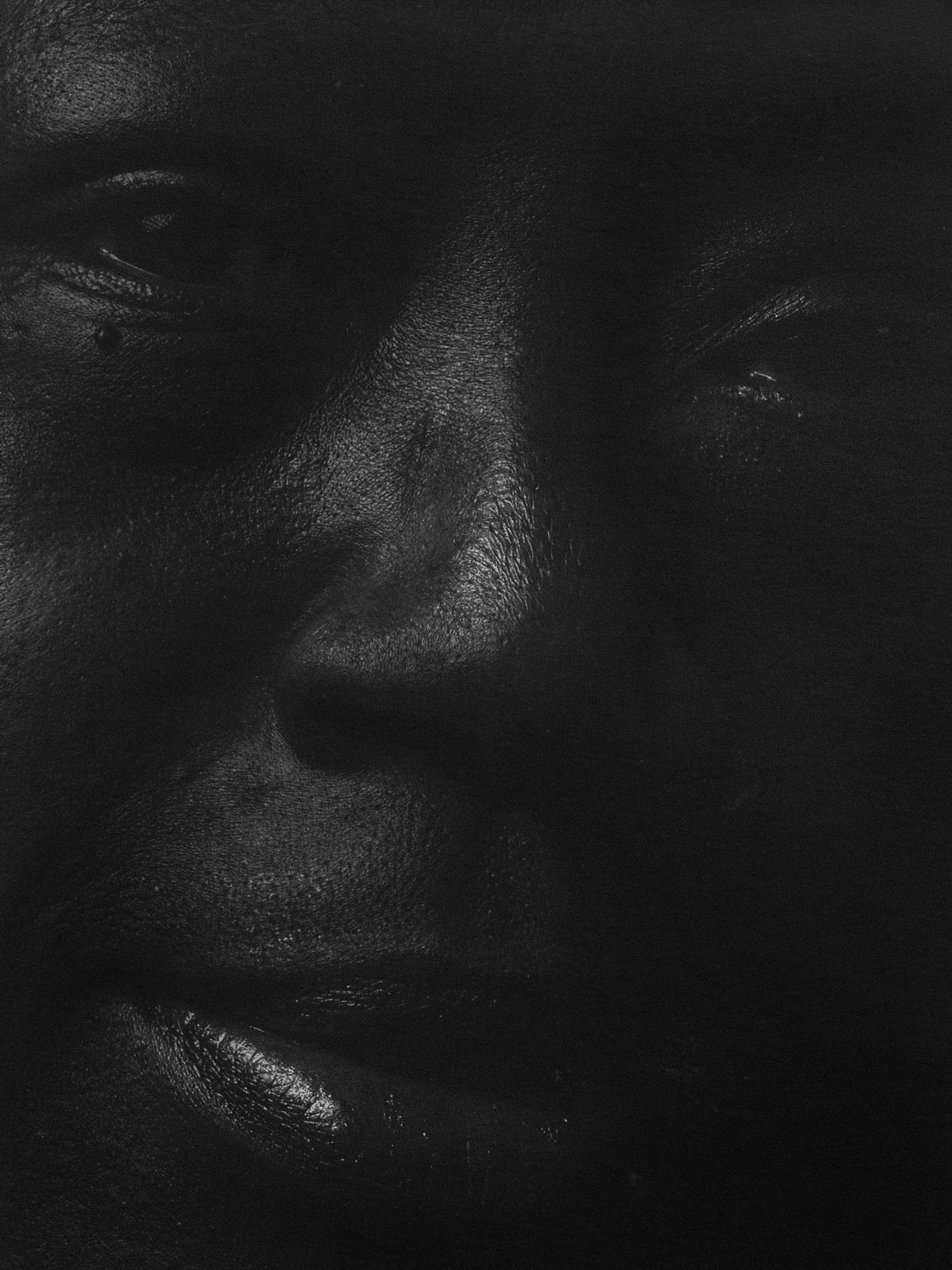
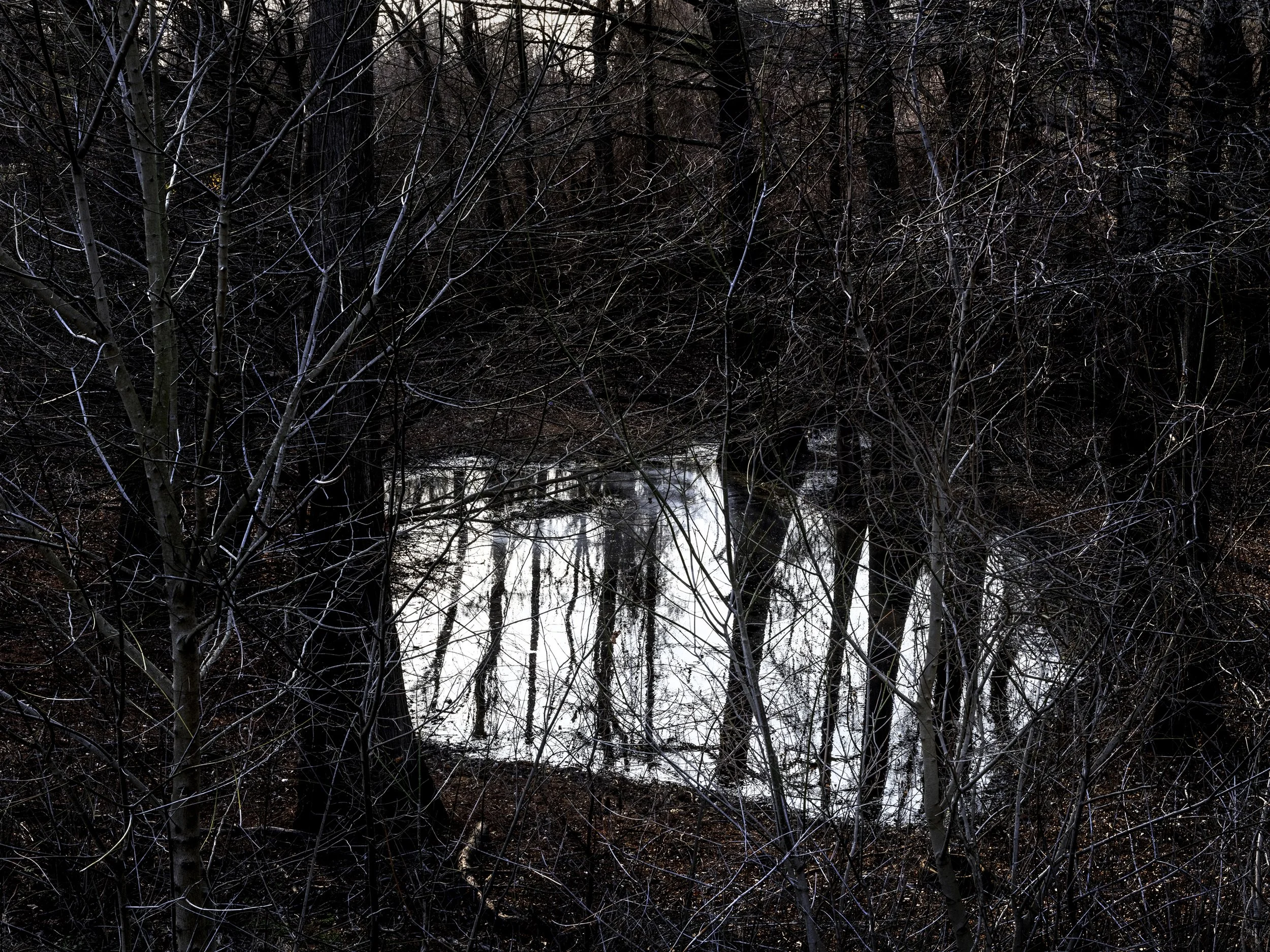
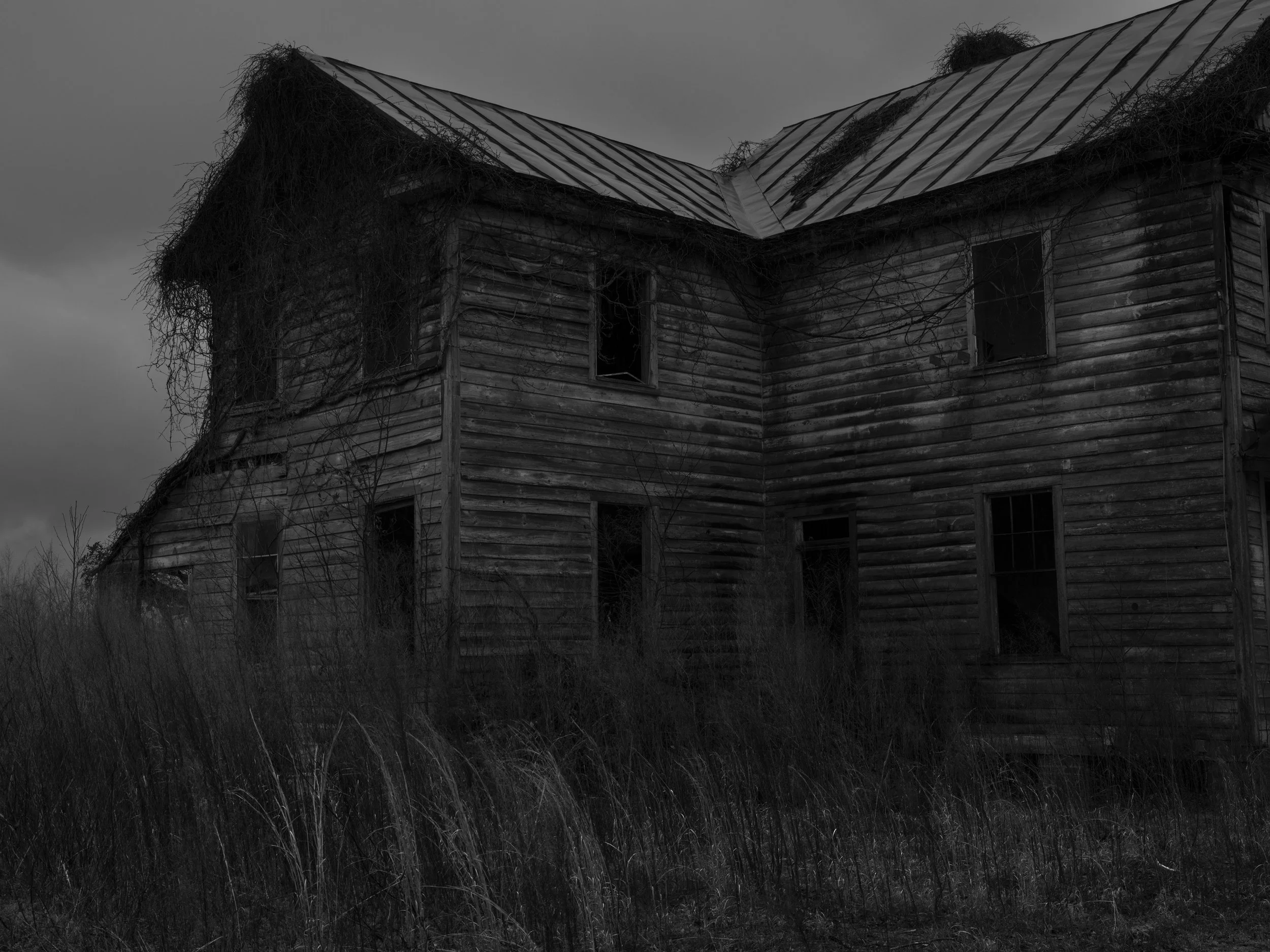
“It’s hard to stop rebels that time travel” is a rememory project that begins in the hidden world of maroons living along the margins of eighteenth-century plantations and stretches across time to present-day communities surrounding New Bern, North Carolina. Maroons were enslaved people who escaped captivity but did not flee north. Instead, they created lives in hard-to-access swamps and the wild spaces between plantations. New Bern's location on the Carolina coast made it an important hub in the trade of enslaved people, and the region remains one of the earliest colonized landscapes in what would become the United States.
The survival strategies maroons developed in these ungoverned spaces can be understood as “freedom practices.” Through these reclaimed histories, we can begin to re-envision Black relationships to the American landscape.
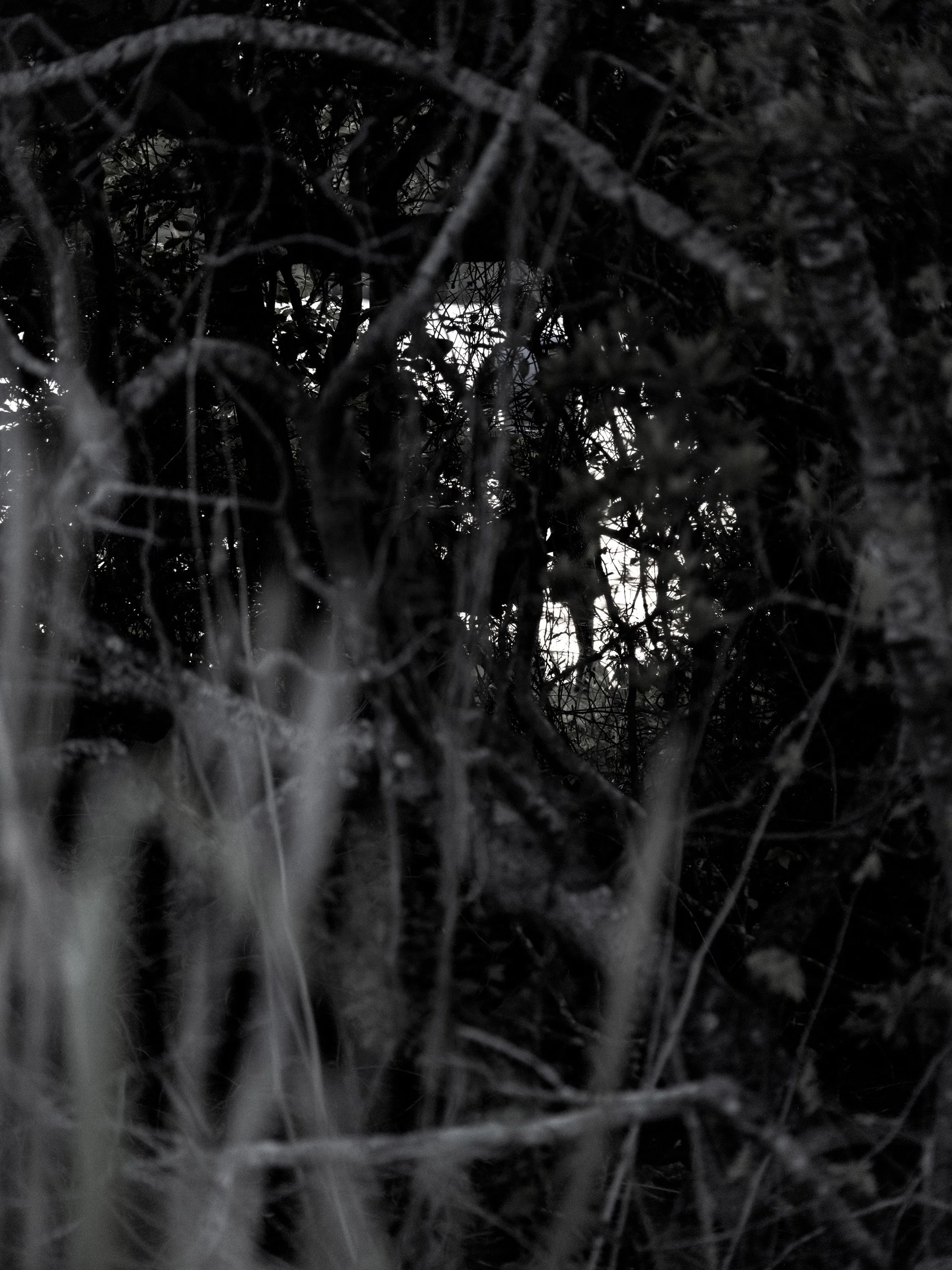
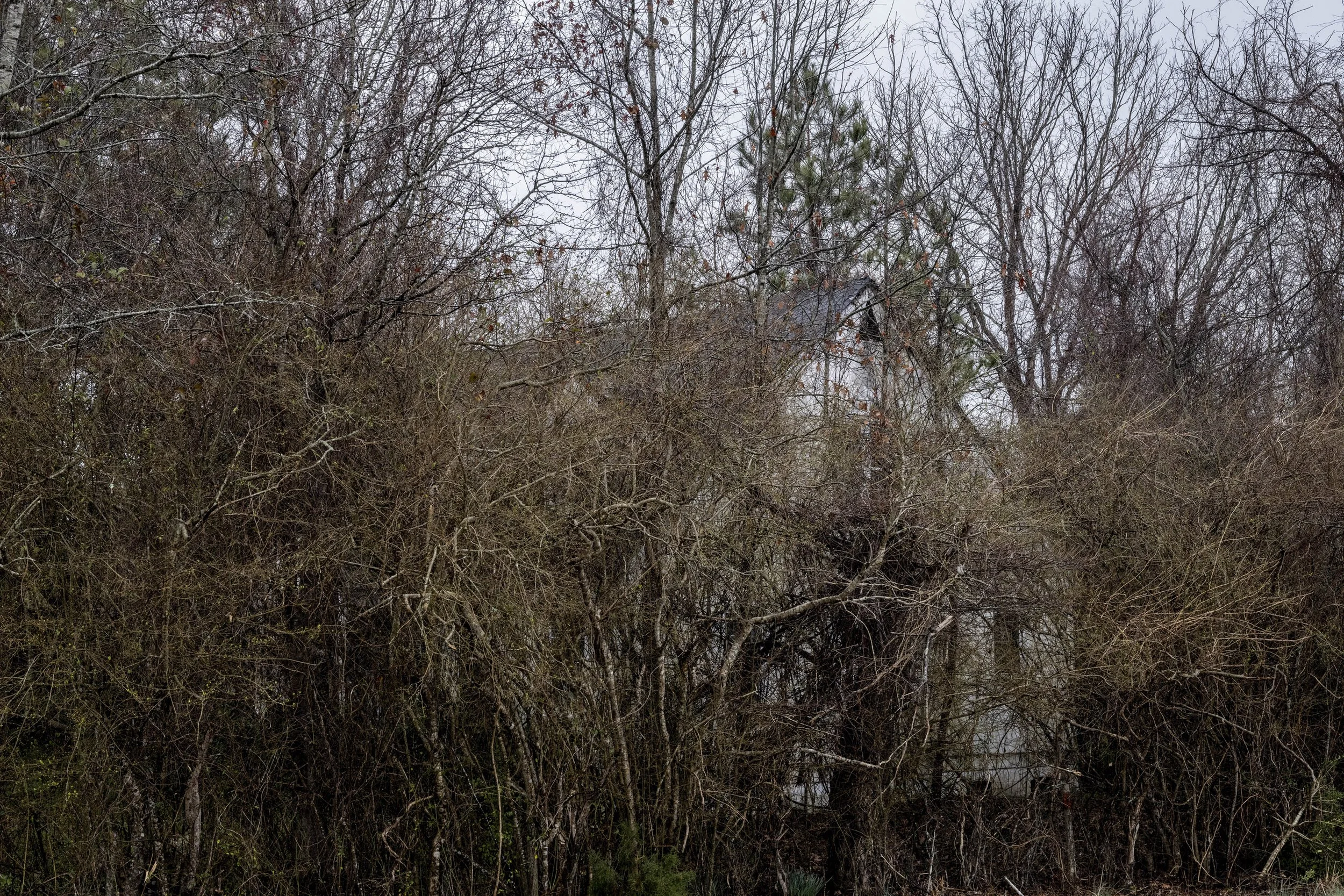
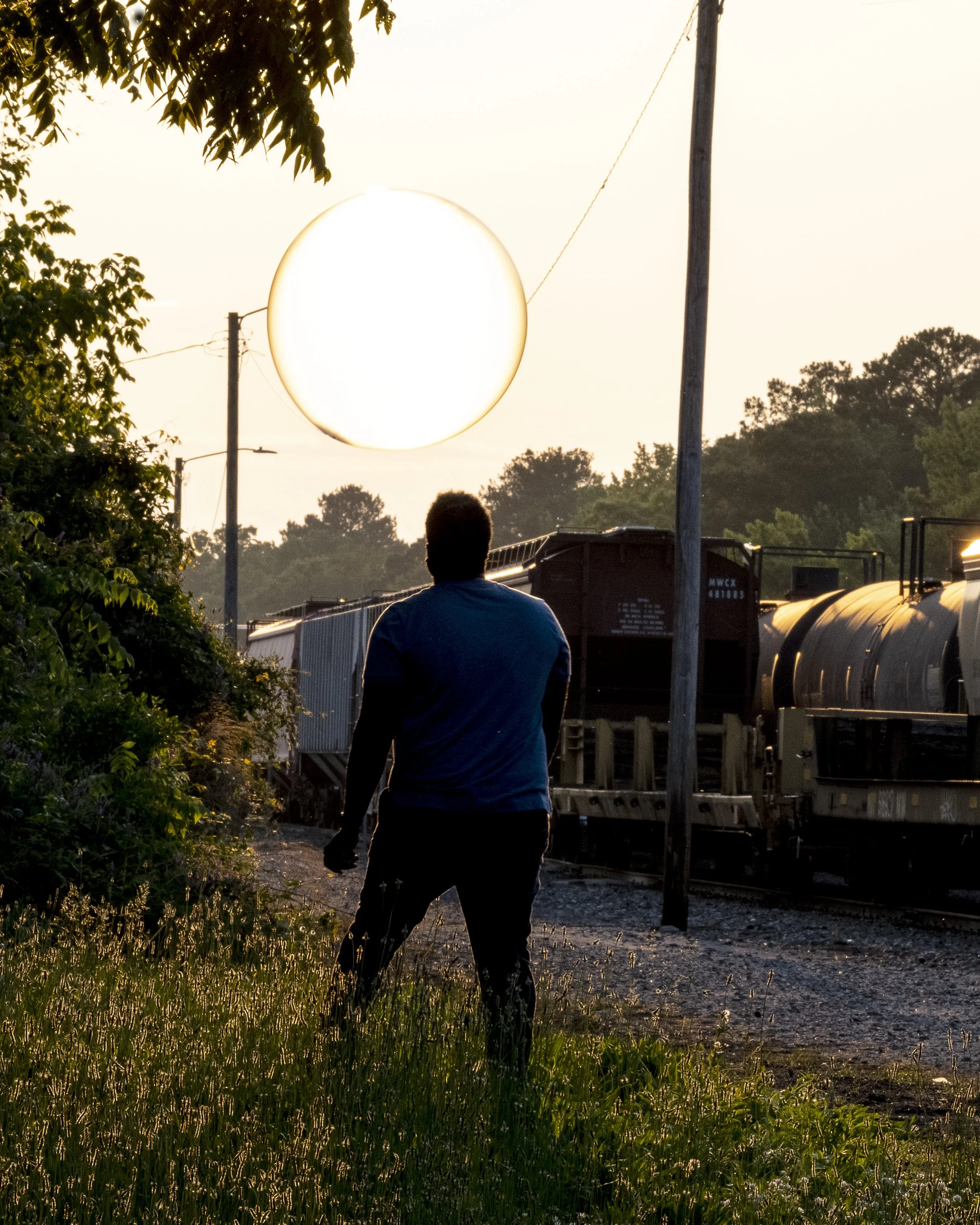
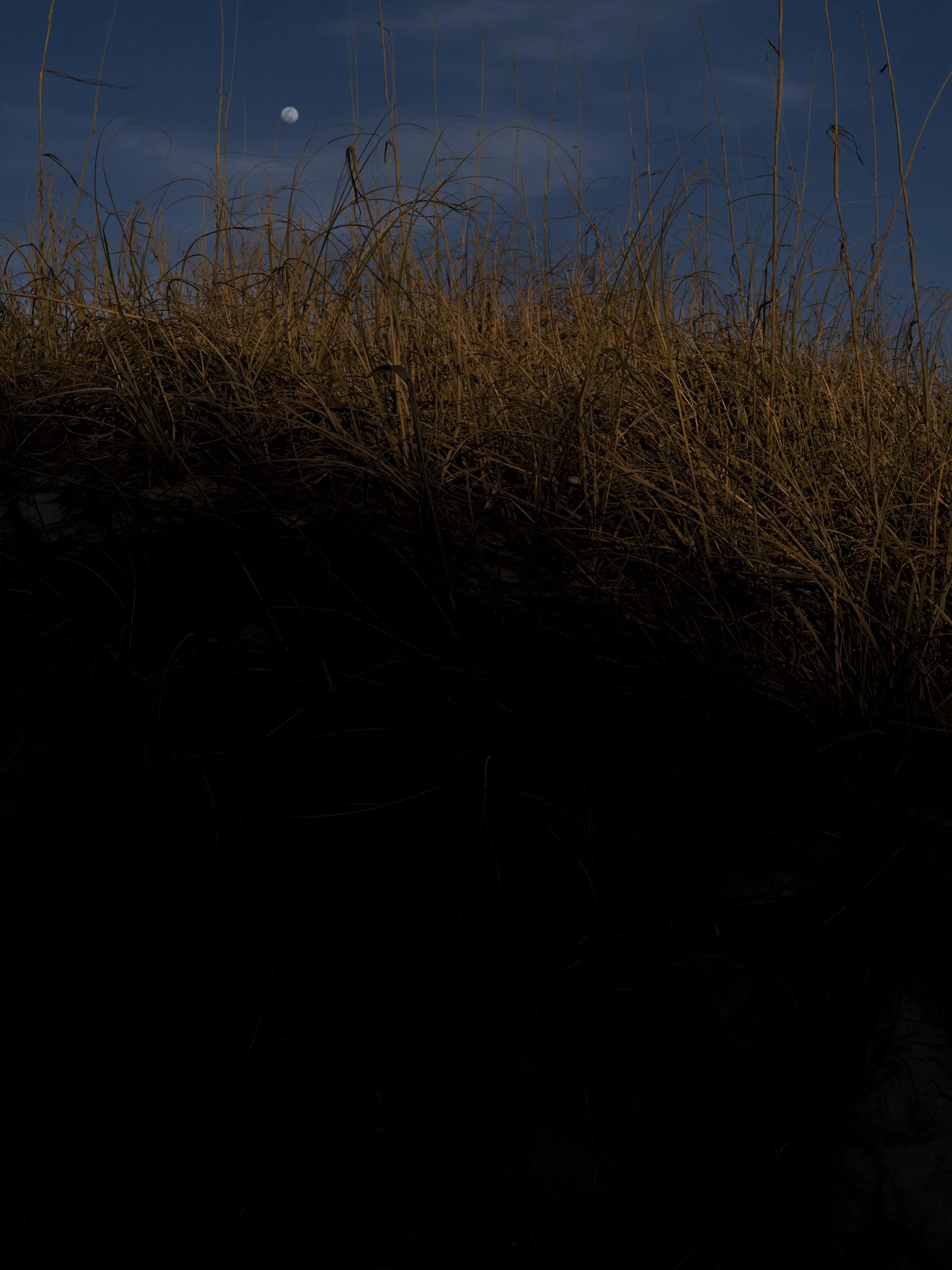
With this in mind, I have been searching for portals within this southeastern coastal landscape. These liminal spaces slip between the past, present, and future and are not limited to physical locations. They can be found in the landscape itself and in the lives of people who continue to inhabit it. As a long-form visual storyteller, this project builds on my previous work with archives, challenging the ways historical records are used to construct meaning in the United States.
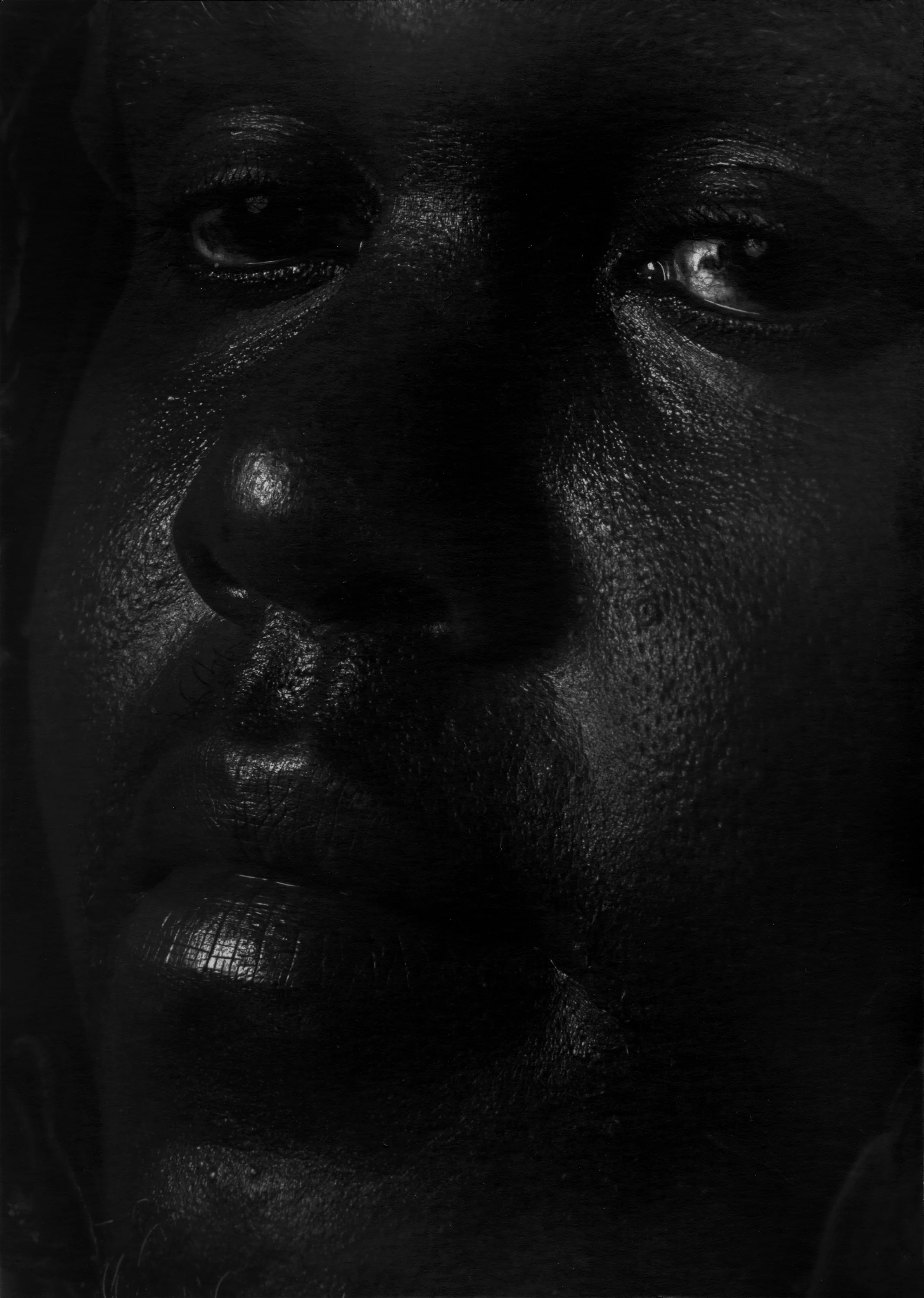
“It’s hard to stop rebels that time travel” combines archival fragments, historic ephemera, and contemporary images to focus on the stories of enslaved people, maroons, and runaways whose lives are only now becoming visible through traces left in the collective archive. Guided by runaway slave advertisements, lynching news articles, Black folklore, and other local historical records, the project expands prevailing narratives about Black life and our relationship to the American landscape.
Since the arrival of the first documented enslaved Africans in English North America in 1619, systems of law, custom, and social control have shaped the relationship between American capitalism, human bondage, and the land itself. Yet resistance existed from the beginning. Marronage became a persistent feature of slavery, as enslaved people carved out spaces of autonomy within woods, swamps, and other landscapes beyond direct surveillance and control.
The major goal of my work is to locate and redefine the Black environmental experience within the American social, political, and physical landscape. Too often, Black presence has been rendered invisible in these spaces, and Black relationships to the environment have been framed solely through the lens of slavery. Black life encompasses far more than survival and resistance.
The American landscape plays a central role in the nation's identity, yet we continue to inherit assumptions about who belongs within it. It is time to challenge inherited narratives and imagine new ways of understanding Black presence within the American landscape.